
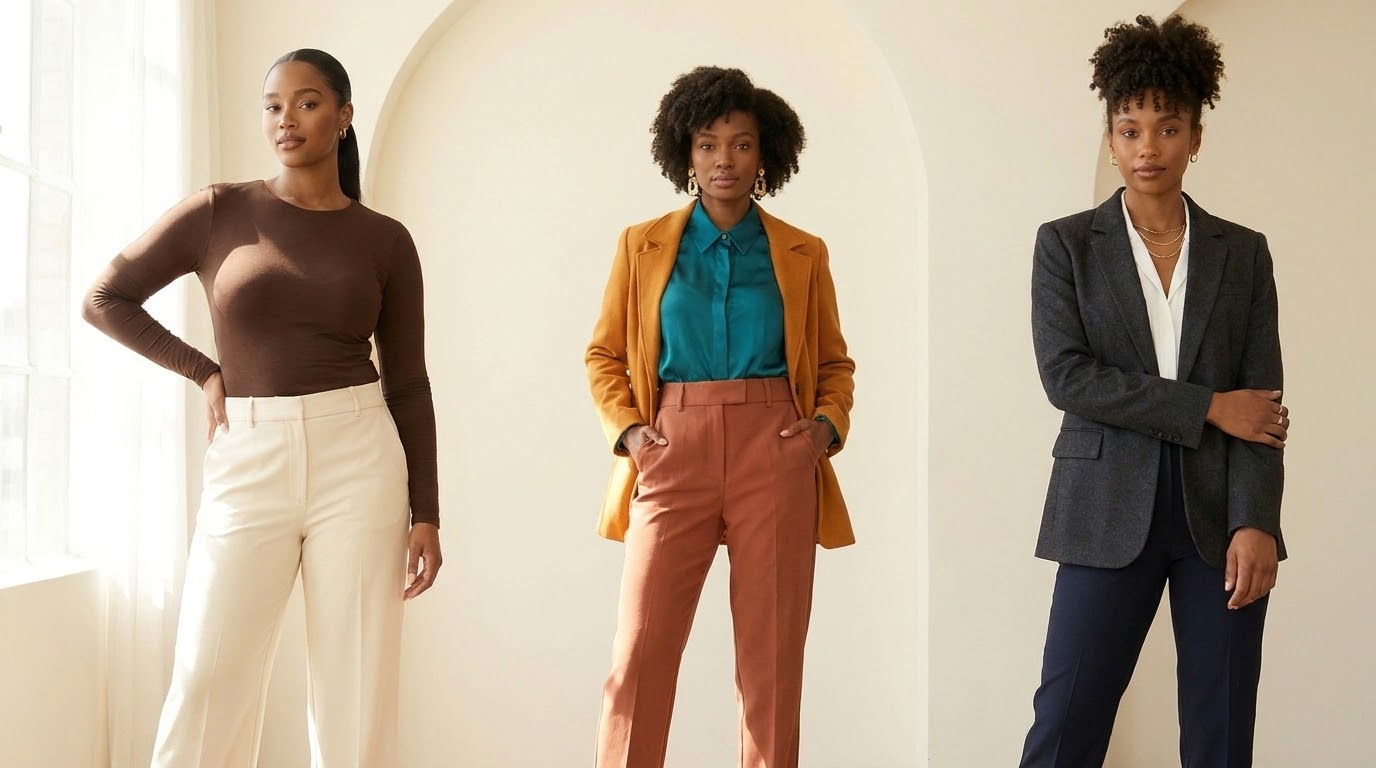
Think about two outfits: a simple, well-fitted shirt with tailored trousers and an outfit covered in noticeable designer logos. Depending on the setting, you might perceive the first outfit as more sophisticated, even if the second costs significantly more.
Thank you for reading this post, don't forget to subscribe!Why does that happen?
Our ideas about sophistication are shaped by more than the clothes themselves. They are influenced by culture, personal experiences, social expectations, and the meanings we attach to certain styles.
Understanding this can change the way you approach fashion. Instead of constantly chasing expensive brands or the latest trends, you can start making more intentional choices about your personal style.
Table of Contents
- 1. Clothes Influence Our First Impressions
- 2. Why Simple Clothing Is Often Perceived as Sophisticated
- 3. Sophistication Is Also a Cultural Idea
- 4. The Small Details That Shape an Outfit
- 5. Personal Style and the Desire to Belong
- 6. How to Develop a Sophisticated Personal Style
- Final Thoughts
1. Clothes Influence Our First Impressions
Before we have a conversation with someone, their appearance may already influence our impression of them.
Clothing can communicate signals about personality, profession, taste, or even social status, although those impressions aren’t necessarily accurate.
For example, a structured blazer might be associated with professionalism, while a relaxed linen outfit might suggest an effortless, understated style.
These associations aren’t proof of someone’s character or abilities. They are interpretations we learn through experience, media, culture, and the environments we live in.
Research in psychology has explored how clothing can influence first impressions and how what we wear may also affect our own feelings and behaviour. However, these effects depend on the person and the situation.
This is one reason sophistication isn’t simply a matter of owning particular clothes. It also involves understanding the impression your choices may create in a given context.
2. Why Simple Clothing Is Often Perceived as Sophisticated
Minimalist fashion is often associated with elegance and sophistication. Clean lines, restrained patterns, coordinated colors, and uncomplicated silhouettes can create a visually harmonious outfit.
But why do we sometimes interpret simplicity as refinement?
One explanation is visual coherence. When the elements of an outfit work well together, the overall appearance can feel intentional rather than distracting.
Another factor is cultural association. Minimalist clothing is frequently presented in fashion publications, luxury advertising, and lifestyle imagery as a symbol of refined taste.
Over time, repeated exposure to these images can shape what we consider elegant.
That doesn’t mean minimalism is automatically sophisticated, or that colorful, expressive outfits are less refined. A vibrant outfit can be just as thoughtfully styled.
The real lesson is that simplicity is one styling approach, not a universal rule for elegance.
3. Sophistication Is Also a Cultural Idea
What looks sophisticated to one person may not carry the same meaning for someone else.
Fashion is shaped by cultural traditions, history, climate, social expectations, and personal identity.
In one setting, traditional clothing may communicate refinement, craftsmanship, and cultural pride. In another, tailored contemporary clothing may be associated with sophistication.
Even the idea of dressing elegantly can change across generations.
For example, a style that once represented luxury might eventually become widely accessible, while a different aesthetic gains attention.
This is why it’s worth questioning the fashion rules we accept without thinking.
Expensive brands, neutral colors, particular hairstyles, and specific body silhouettes do not have a monopoly on elegance. Sophistication can be expressed in many ways.
4. The Small Details That Shape an Outfit
Sometimes, the difference between an outfit that feels unfinished and one that feels polished comes down to details rather than price.
Consider these elements:
- Fit: Clothes that fit comfortably and suit your proportions can create a more intentional appearance.
- Condition: Clean, well-maintained garments can make everyday outfits feel more considered.
- Coordination: Colors, textures, and accessories that work together can improve visual harmony.
- Fabric: Texture, drape, and construction influence how a garment looks and moves.
- Finishing touches: Thoughtful footwear, simple accessories, or a neat hairstyle can bring an outfit together.
None of these details needs to be expensive. And none requires following a strict set of fashion rules.
The goal isn’t to make every outfit look luxurious. It’s to understand what makes your clothing feel cohesive and appropriate for your needs.
5. Personal Style and the Desire to Belong
Fashion is also deeply personal.
Sometimes, we buy certain clothes because we genuinely love them. Other times, we are influenced by the people we admire, the lifestyles we aspire to, or the communities we want to feel connected to.
This can explain why aesthetics such as old money, quiet luxury, minimalist fashion, and classic dressing become appealing to so many people.
They offer more than outfit inspiration. They can represent an identity or a particular vision of how someone wants to live.
There is nothing inherently wrong with enjoying an aesthetic. Problems can arise when your wardrobe becomes a constant attempt to meet other people’s expectations.
You might find yourself buying clothes that look beautiful online but don’t feel comfortable, suit your lifestyle, or reflect your personality.
Developing personal style means learning to distinguish between what genuinely appeals to you and what you feel pressured to like.
6. How to Develop a Sophisticated Personal Style
You don’t need to replace your wardrobe to develop a more refined style. Start by paying attention to what already works for you.
1. Identify what you naturally gravitate toward. Look at the outfits you repeatedly wear and feel good in. Notice the silhouettes, colors, and details they have in common.
2. Focus on fit and coordination. Before buying something new, experiment with styling the pieces you already own. Small adjustments can make familiar outfits feel different.
3. Choose quality thoughtfully. Quality doesn’t always mean expensive. Consider comfort, durability, construction, and how frequently you’ll wear a piece.
4. Stop treating trends as rules. Take inspiration from fashion trends, but keep what genuinely suits your taste and lifestyle.
5. Allow room for personality. Sophisticated style doesn’t have to be plain. Prints, color, statement jewelry, natural hair, and interesting textures can all be part of a polished personal style.
Most importantly, remember that clothing is only one aspect of personal presentation. How you communicate, treat others, and carry yourself also contributes to how you show up in the world.
Final Thoughts
Our ideas about sophisticated clothing are shaped by a mixture of visual preferences, learned associations, cultural influences, and personal aspirations.
That’s why the same outfit can communicate different things to different people.
Rather than trying to dress according to someone else’s definition of elegance, use fashion as a way to express yourself thoughtfully.
You can appreciate minimalist fashion without owning an entirely neutral wardrobe. You can enjoy beautiful clothes without chasing designer labels. And you can look polished without turning your appearance into a constant project.
True personal style leaves room for individuality.
What makes an outfit look sophisticated to you? Is it the simplicity, the fit, the details, or something else entirely?