Shopping Mistakes That Leave You With Clothes You Never Wear
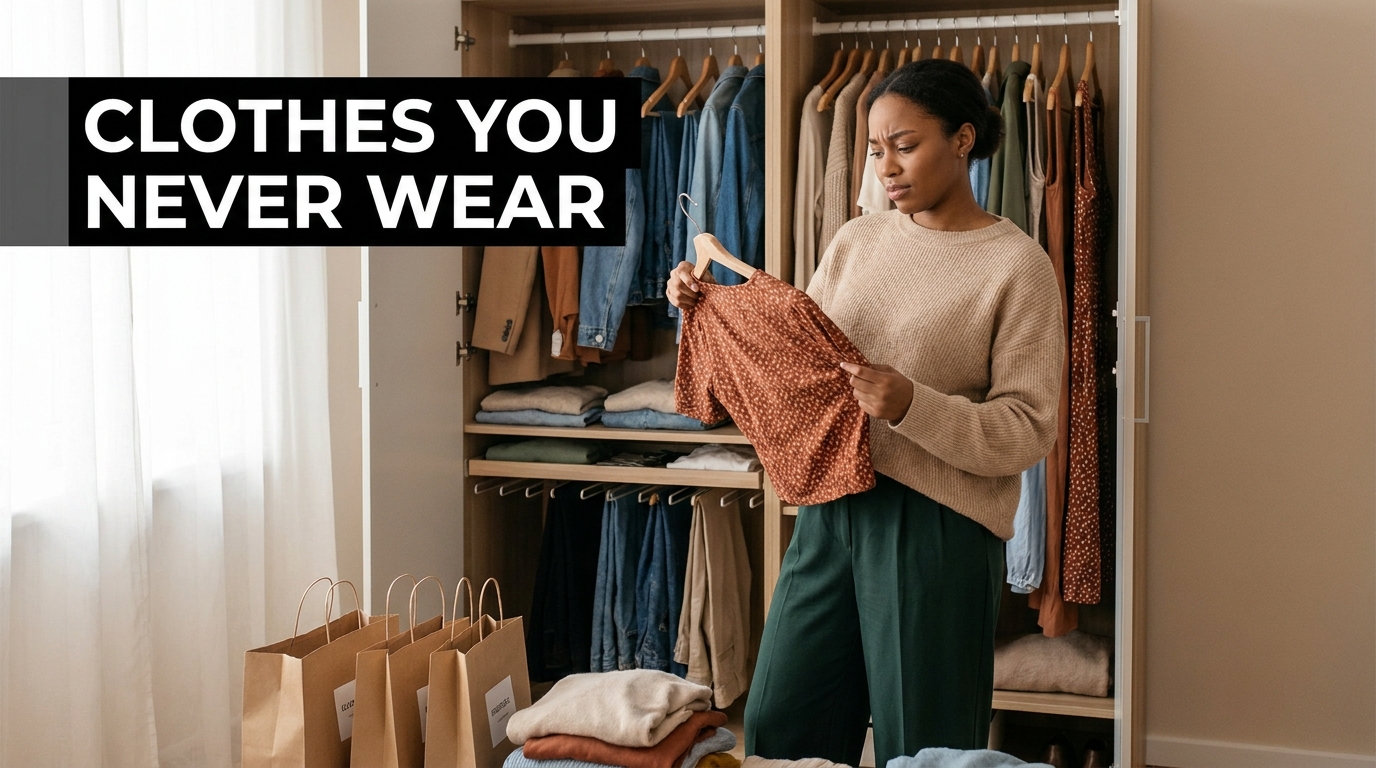
There’s a particular kind of regret that comes with opening your wardrobe and seeing clothes you barely remember buying. Maybe you wore that dress once. Perhaps those trousers looked perfect in the shop but have been hanging untouched for months. And then there are the tops you bought because they were on sale, even though you weren’t entirely sure what you’d wear them with.
Thank you for reading this post, don't forget to subscribe!The frustrating part is that you probably didn’t buy these clothes intending to waste money. At the time, each purchase seemed reasonable. You liked the colour, the price was tempting, or you could already imagine how good the outfit might look.
Yet somehow, those clothes never became part of your everyday wardrobe.
If this sounds familiar, the problem might not be that you have bad taste or don’t know how to dress. Sometimes, it’s the way we shop that makes it difficult to build a wardrobe we actually use.
Here are some common shopping mistakes that can leave you with plenty of clothes but very few outfits you enjoy wearing.
Table of Contents
- 1. Buying Clothes for the Person You Wish You Were
- 2. Buying Something Just Because It’s on Sale
- 3. Buying Clothes Without Thinking About What You Already Own
- 4. Choosing Clothes for How They Look in the Shop, Not How They Feel on You
- 5. Following Trends That Don’t Fit Your Personal Style
- 6. Buying the Wrong Size Because You Plan to Change Your Body
- 7. Ignoring the Practical Details
- 8. Shopping When You’re Bored, Upset or Looking for a Quick Mood Boost
- How to Shop for Clothes You’ll Actually Wear
- Final Thoughts
1. Buying Clothes for the Person You Wish You Were
You see a beautiful fitted dress and imagine yourself wearing it to lovely dinners. You buy a pair of heels because you’re going to start dressing more elegantly. Maybe you purchase a matching workout set because you’re determined to become more consistent with exercise.
There’s nothing wrong with wanting to change your style or lifestyle. The problem begins when you shop for an imagined version of yourself without considering how you live right now.
If most of your evenings are spent at home, that collection of going-out outfits might not get much use. If you spend your days running errands, uncomfortable shoes may stay in their boxes no matter how beautiful they look.
Before buying something, ask yourself whether it suits the life you currently live, not just the life you’re hoping to have.
You can always make room for the occasional outfit that supports a new interest or a special plan. Just be careful about building an entire wardrobe around a lifestyle you haven’t established.
2. Buying Something Just Because It’s on Sale
A discount can make an ordinary purchase feel like a clever financial decision.
You spot a blouse marked down by 50 per cent. You weren’t looking for one, and you’re not sure you particularly need it, but the original price makes the reduced price look irresistible.
So you buy it.
The problem is that spending less on something you don’t wear is still spending money unnecessarily. And if you keep making these purchases, the savings you think you’re making can add up to a wardrobe full of forgotten items.
Instead of asking how much you’re saving, consider whether you’d want the item at all if it weren’t discounted.
If the answer is no, the sale probably isn’t a good reason to buy it.
3. Buying Clothes Without Thinking About What You Already Own
Sometimes, a piece of clothing looks lovely on its own but becomes surprisingly difficult to wear once you bring it home.
You buy a patterned skirt, for example, without having tops that work with its colours. Or you purchase a pair of trousers that only looks right with shoes you rarely wear.
The item isn’t necessarily unattractive. It simply doesn’t fit easily into your existing wardrobe.
This is where a little planning helps. Before buying something, think of at least two or three outfits you could create with clothes you already own.
You don’t have to make every item match everything else. But if a new purchase requires several additional purchases before you can wear it comfortably, consider whether it’s worth it.
A wardrobe becomes more useful when new pieces have somewhere to fit.
4. Choosing Clothes for How They Look in the Shop, Not How They Feel on You
A dress can look beautiful on a mannequin and completely different when you try it on. Trousers may look stylish until you sit down. A top might have the perfect colour but feel uncomfortable around your shoulders.
It’s easy to overlook these details when you’re excited about how something looks.
Sometimes, we even convince ourselves that we’ll get used to an uncomfortable fit or that we’ll find a way to style an awkward piece later.
But clothes you don’t feel comfortable wearing are unlikely to become favourites, even when they’re fashionable.
When shopping, pay attention to how a garment feels when you move, sit, bend or walk. Check whether it needs constant adjusting and whether you genuinely like how it fits your body.
You don’t need every item to be perfect. You just need to avoid buying clothes that already feel like a compromise before you’ve worn them out.
5. Following Trends That Don’t Fit Your Personal Style
A particular style suddenly seems to be everywhere. Your favourite creators are wearing it, fashion pages keep featuring it, and it starts to feel as though your wardrobe is missing something.
So you buy it.
For a while, the item feels exciting because it’s new and current. But once the initial enthusiasm fades, you realise it doesn’t really feel like you.
This happens because liking an outfit on someone else isn’t the same as wanting to wear it yourself.
You might admire dramatic prints but feel more comfortable in simple colours. You may love the idea of oversized clothing but prefer clothes with a little more shape. Neither preference is wrong.
Instead of automatically buying what’s trending, consider which elements genuinely appeal to you. Perhaps you like the colour, the silhouette or the way an outfit is accessorised. You might be able to incorporate that detail into your existing style without buying an entirely new look.
Trends can inspire your wardrobe without controlling it.
6. Buying the Wrong Size Because You Plan to Change Your Body
Buying clothes for a future version of your body can leave you with items that remain unworn for months or even years.
Perhaps you buy a smaller size because you’re planning to lose weight. Or you purchase something too large, expecting to have it altered eventually.
The intention may be understandable, but the result is often the same: clothes taking up space without serving you.
Your wardrobe should work for the body you have now. If your body changes later, you can reassess your clothing needs then.
If you love an item but it needs alteration, be realistic about whether you’ll actually arrange it. A simple alteration might be worthwhile, but don’t let an entire pile of clothes depend on future plans you haven’t made.
You deserve clothes that fit comfortably today, not only after you’ve reached a particular goal.
7. Ignoring the Practical Details
Some clothes stay unworn for reasons that seem small until you consider how often they affect your decisions.
A blouse wrinkles too easily. A dress needs special care you don’t have time for. Shoes look beautiful but hurt after a short walk. A top requires a particular bra you don’t own.
Individually, these issues might seem manageable. But if wearing something feels like too much effort, you’ll naturally reach for something easier.
This doesn’t mean your entire wardrobe needs to be low-maintenance. Special pieces can be worth the extra care.
The important thing is to understand what you’re signing up for before buying.
Think about your routine, the climate you live in, how you travel, and how much time you’re willing to spend caring for your clothes. An item that works beautifully in someone else’s life might be impractical in yours.
8. Shopping When You’re Bored, Upset or Looking for a Quick Mood Boost
Sometimes, the reason we buy clothes has very little to do with needing them.
You might browse online after a frustrating day, visit a shop because you have time to spare, or buy something simply because you’ve been feeling uninspired lately.
Shopping can be enjoyable, and there’s nothing inherently wrong with buying yourself something nice. But the excitement of choosing and purchasing an item doesn’t always last as long as the feeling that prompted the purchase.
A few days later, the parcel arrives, the novelty wears off, and the clothes don’t seem nearly as exciting.
If you notice this pattern, try pausing before making unplanned purchases. Save the item to a wishlist and revisit it after a day or two. You may still want it, but you’ll have a better chance of deciding with a clear head.
And if what you really need is rest, entertainment or a change of routine, buying another top might not provide the satisfaction you’re looking for.
How to Shop for Clothes You’ll Actually Wear
You don’t need a strict capsule wardrobe or a long list of fashion rules to become a more thoughtful shopper.
Start by paying attention to the clothes you wear repeatedly. Notice their fit, colours, comfort and versatility. These details can tell you more about your real preferences than a trend forecast ever will.
Before buying something, ask yourself three simple questions:
- Where will I wear it? Think of realistic occasions, not hypothetical events.
- What will I wear it with? Consider the clothes and shoes you already own.
- Would I still want it without the discount or trend? This helps separate genuine interest from the pressure to buy.
You can also give yourself permission to leave a shop without buying anything. Finding nothing you genuinely want is better than purchasing something simply because you feel you should.
Final Thoughts
A wardrobe full of unworn clothes isn’t always the result of poor fashion choices. Sometimes, it’s the result of shopping too quickly, buying for an imagined lifestyle, or confusing the excitement of a purchase with the usefulness of the item.
The good news is that you don’t have to replace your wardrobe to change this pattern.
Start by understanding what you already enjoy wearing and become more selective about what you bring home. Let your purchases reflect your real preferences, routines and needs rather than every trend or temporary feeling.
The goal isn’t to stop enjoying fashion. It’s to spend your money on clothes that make sense for your life—and that you genuinely look forward to wearing.